Assembly: The Underestimated Deciding Factor in the Sheet Metal Value Chain
When evaluating sheet metal suppliers, international buyers typically focus on laser cutting precision, bending tolerances, or surface finish quality. These factors matter—but a more fundamental capability is often overlooked: assembly.
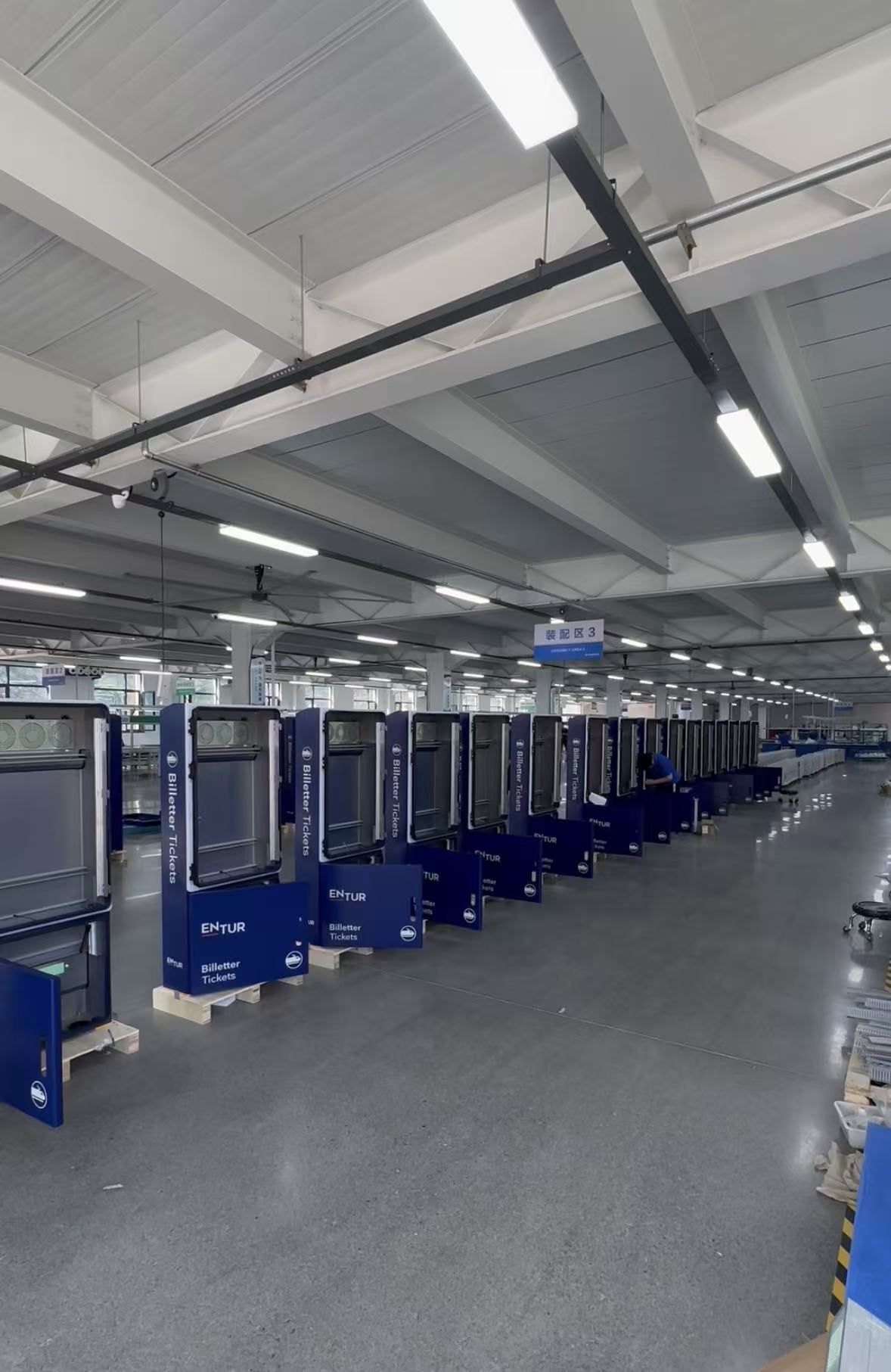
For any sheet metal project, cutting and forming merely create parts. Only assembly transforms them into a deliverable, functional unit. When a supplier's assembly capability falls short, even the most precise individual components cannot guarantee final product performance, consistency, and delivery reliability. This article examines the strategic value of assembly in the sheet metal industry and explains why leading buyers are making it a core criterion in supplier selection.
Why Assembly Is a Core Capability in Sheet Metal Manufacturing
Sheet metal fabrication typically encompasses cutting, bending, welding, riveting, fastener insertion, and surface treatment. Assembly is the convergence point of these discrete processes—and the final gateway where design intent becomes physical reality.
From an engineering perspective, assembly serves three functions: dimensional integration (ensuring cumulative tolerances across multiple parts remain controllable), structural connection (achieving design strength through welding, riveting, or fastening), and functional integration (providing the mounting foundation for subsequent electrical, hydraulic, or pneumatic components).
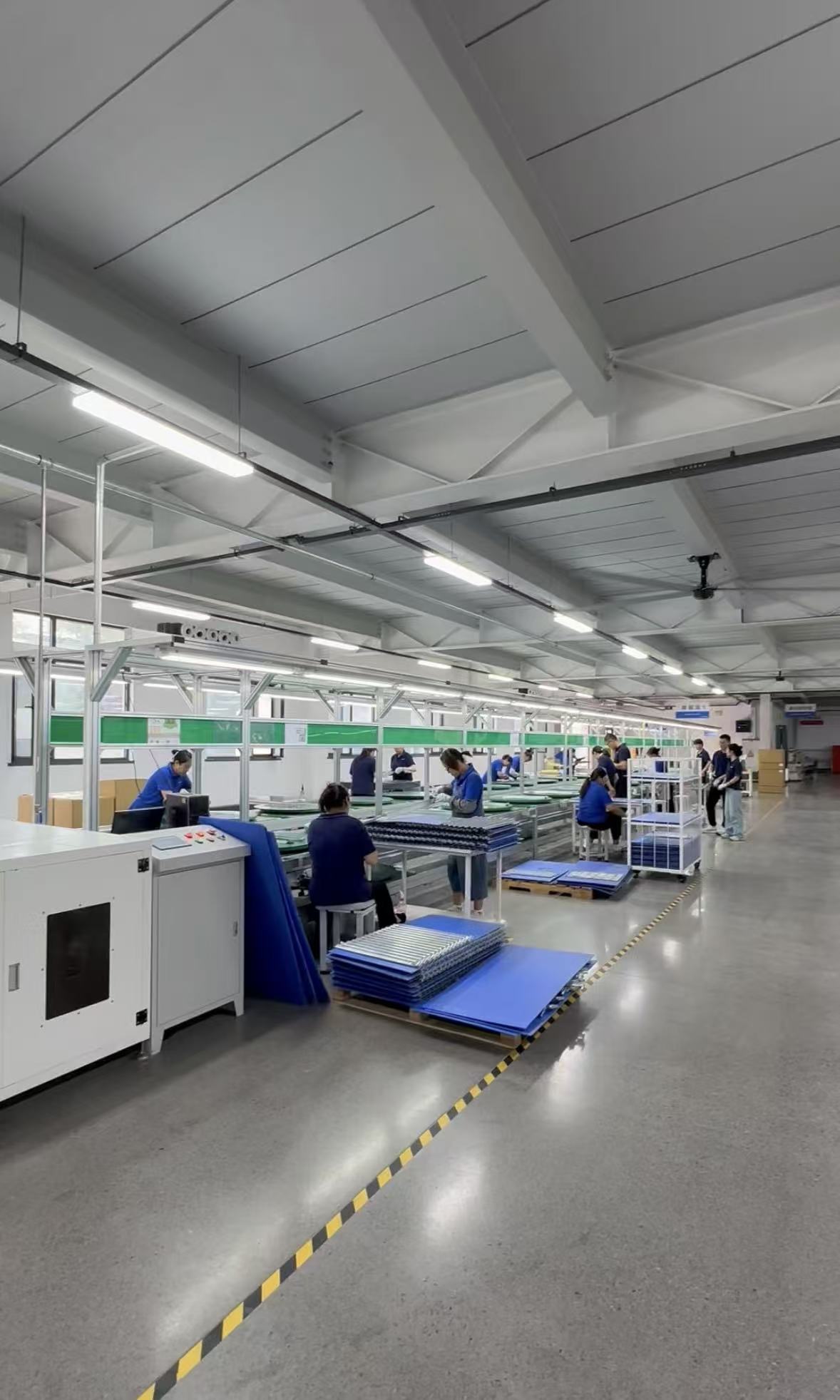
A typical sheet metal assembly workflow includes: incoming inspection and sorting, positioning and fixturing, welding or mechanical joining, dimensional verification, sub-component installation, final inspection, and packaging. Every step carries the risk of error accumulation. Factories lacking systematic assembly capabilities often excel at individual part processing yet expose problems at final delivery—misaligned holes, out-of-tolerance flatness, or insufficient joint strength.
Market Signals: Why Buyers Are Redefining "Quality Supplier"
The global sheet metal fabrication services market was valued at approximately USD 87.3 billion in 2025 and is projected to reach USD 136.5 billion by 2035, representing a compound annual growth rate of 4.6%. Behind this growth, the demand structure is undergoing a qualitative shift.
OEM buyers are no longer purchasing parts alone—they are purchasing "assemblable modules." Industry analysis indicates that buyer evaluation criteria have shifted from unit price alone to engineering support capability, quality documentation, delivery reliability, material traceability, and capacity to scale complex assemblies. In other words, suppliers capable of undertaking and managing complete assembly projects are gaining a significant competitive advantage.
This trend is particularly pronounced in automotive and new energy sectors. EV battery pack enclosures, motor mounts, and body structural components typically involve the integration of dozens of sheet metal parts, where tolerance chain management directly determines final product sealing and safety. Aerospace and medical device sectors impose even stricter requirements on assembly traceability and certification, often requiring suppliers to hold specialized qualifications such as AS9100 or ISO 13485.
Technology Evolution: How Assembly Automation Is Reshaping Competition
Traditional sheet metal assembly relies heavily on the manual skill of experienced welders and fitters. This model faces dual pressures: a shortage of skilled labor and escalating buyer demands for consistency and capacity scalability.
AI-driven robotic welding cells represent the most significant technological breakthrough today. Take Trumpf's recently launched TruLaser Weld 3000 as an example: the system uses AI-assisted programming to reduce teach time by up to 50% and can detect weld seam position deviations in real time, automatically correcting robot paths. Its compact welding optics (40% smaller than the previous generation) enable the robot to access the interior of deep enclosures and complex housings for welding, significantly expanding the range of applications that can be automated.
For small-to-medium batch, high-mix sheet metal assembly scenarios—precisely the typical operating conditions facing most B2B buyers—such low-programming or programming-free automation solutions are transformative. They enable suppliers to improve flexibility, speed, and consistency in the assembly stage without significantly increasing fixed costs.
The theme of EuroBLECH 2026, "Smart and Sustainable Production," further confirms this direction: AI, digital twins, and networked production systems are moving from concept to shop-floor practice, and assembly is a high-value application scenario for these technologies.
The Practical Impact of Assembly Capability on Buyers
From a procurement decision perspective, a supplier's assembly capability directly affects three core metrics:
Delivery reliability. When assembly is completed in-house by the supplier, parts kitting, process sequencing, and final inspection form a closed-loop control. Conversely, if assembly is subcontracted to a third party, additional logistics links and coordination costs are introduced, and delivery variability risk rises significantly.
Quality consistency. Assembly is the process of translating design tolerances into actual fit. Suppliers with systematic assembly capabilities can ensure batch-to-batch consistency through fixture design, process monitoring, and final inspection data records—rather than relying on the "feel" of individual technicians.
Total cost of ownership. A seemingly lower unit part price may be consumed during assembly by poor fit, rework, or on-site adjustments. Suppliers capable of delivering complete assemblies effectively help buyers eliminate hidden coordination costs and quality risks.
Frequently Asked Questions
Q: Is assembly services suitable for small-batch sheet metal orders?
Yes. The proliferation of flexible assembly systems—including programming-free robotic welding and modular fixturing—is lowering the economic batch threshold. For prototype validation and low-volume production, many suppliers can now offer assembly services combining manual and semi-automated processes at reasonable cost.
Q: How should buyers evaluate a supplier's assembly capability?
Consider four dimensions: assembly fixture design and manufacturing capability, welding or joining process certification and process control systems, dimensional verification equipment configuration (such as CMMs or portable measuring arms), and traceability record systems for the assembly stage.
Q: What are the risks of outsourcing assembly separately from sheet metal fabrication?
Primary risks include uncontrolled tolerance accumulation, complex delivery coordination, difficult quality accountability, and delayed part design optimization due to lack of assembly feedback. Suppliers with integrated assembly capabilities can anticipate assembly issues during the fabrication stage and adjust processes in advance.
Q: Does automated assembly mean higher unit prices?
Not necessarily. Automated assembly typically reduces overall costs in medium-to-high volume scenarios by reducing labor dependency, improving first-pass yield, and shortening cycle times. For high-mix, low-volume production, time savings from programming and changeover can similarly translate into price advantages.
Conclusion
Assembly is not an "auxiliary step" in sheet metal manufacturing—it is the integration node that determines project success. For international buyers seeking reliable supply chains, incorporating assembly capability into supplier evaluation is a necessary step to reduce risk and optimize total cost. If you are evaluating sheet metal suppliers or planning a new assembly project,we recommend making assembly process audit a core agenda item during supplier site visits—from fixture management to welding parameter control, from dimensional verification strategy to traceability documentation. These details will clearly reveal the true boundaries of a supplier's capability.