Sheet Metal Spraying: A Complete Guide to Durable Finishes
As global manufacturing becomes increasingly competitive, the quality of surface finishing has emerged as a critical differentiator for sheet metal components. For B2B buyers across automotive, aerospace, electronics, and industrial equipment sectors, sheet metal component spraying is not merely a cosmetic step—it is a strategic investment in product longevity, performance, and brand reputation.
The Growing Importance of Professional Spraying Services
The global market for sprayed coating services is experiencing robust growth, driven by rising demand for durable and aesthetically pleasing surfaces across multiple industries . Industry analysts project the electrostatic spraying market alone to reach approximately USD 6.5 billion by 2032, growing at a compound annual growth rate of 4.8% to 5.1% . This expansion reflects a broader recognition that high-quality sheet metal spraying directly impacts product lifecycle costs and customer satisfaction.
Key end-user sectors driving this demand include automotive manufacturing, aerospace and defense, construction, energy, and medical devices . Within these industries, sheet metal component spraying serves dual purposes: protecting against corrosion, wear, and abrasion while delivering the uniform, high-quality finish that premium products demand .
Understanding the Spraying Process: From Pretreatment to Curing
Achieving a flawless, durable coating requires a meticulously controlled process. For B2B buyers, understanding these steps is essential for evaluating supplier capabilities and ensuring consistent quality.
Pretreatment: The Foundation of Adhesion
The durability of any sprayed coating depends largely on surface preparation. A typical pretreatment sequence includes degreasing to remove oils and manufacturing residues, pickling to eliminate oxides, and phosphating or silane-based treatment to create a chemical bond with the substrate . This stage is critical—inadequate pretreatment is a leading cause of coating failures such as pinholes, blistering, and poor adhesion .
Spraying Application: Electrostatic Efficiency
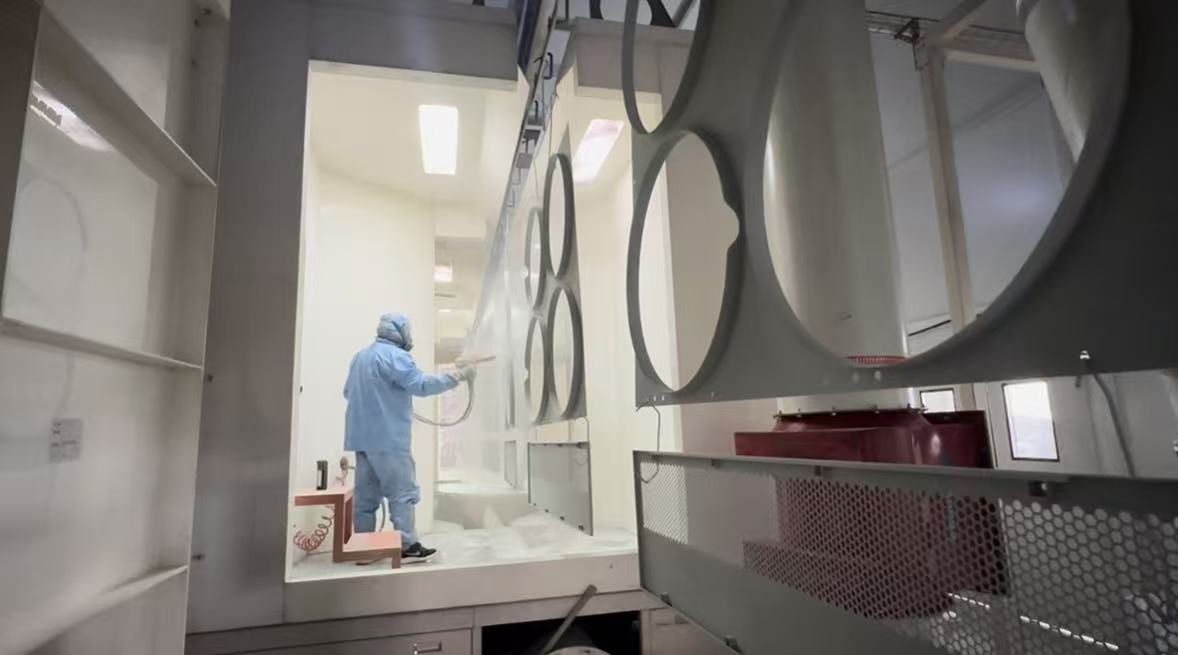
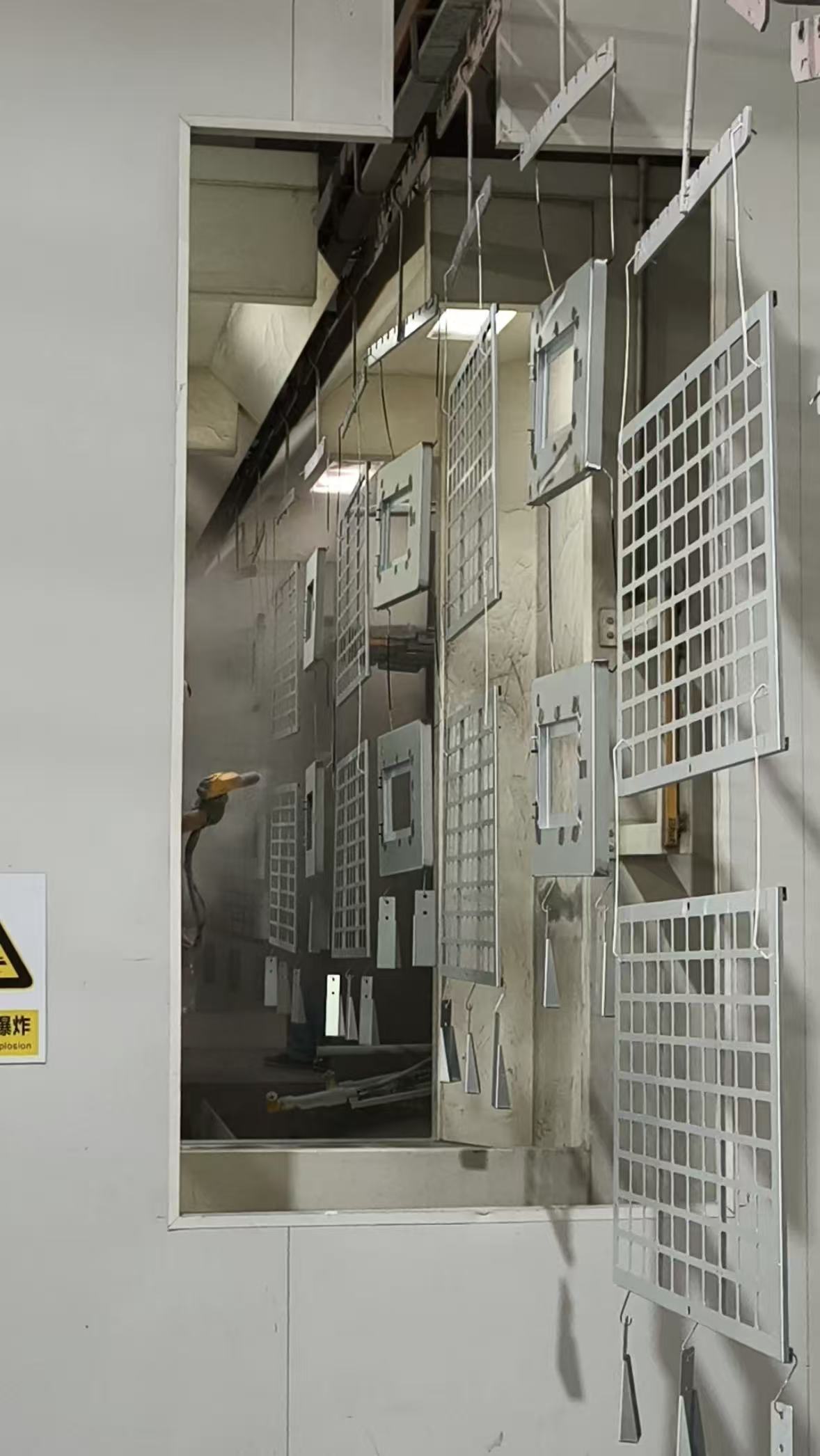
Modern metal plate spraying increasingly employs electrostatic technology. In this process, negatively charged dry powder particles are sprayed onto positively charged components, creating a strong electrical attraction that ensures even coverage, even on complex geometries . This approach minimizes overspray, reduces material waste, and delivers consistent film thickness. Typical electrostatic spraying parameters include voltages around 60kV and atomizing pressures of approximately 0.3MPa .
Curing: Transforming Powder into Protective Skin
After application, coated components pass through a curing oven where heat fixes the powder into a durable, continuous film. Standard curing conditions for powder coatings are approximately 180°C for 20 minutes . The curing process creates a protective “skin” that is harder and more resistant to chipping, fading, and scratching than conventional liquid paints .
Key Technical Considerations for Quality Assurance
When sourcing sheet metal spraying services, buyers should prioritize suppliers who demonstrate control over critical quality factors.
Coating Thickness
Achieving the correct film thickness is essential. Typical specifications call for dry film thickness between 60μm and 80μm for powder coatings . Insufficient thickness compromises protection, while excessive thickness can lead to sagging, orange peel, or wrinkling .
Common Defects and Prevention
Reputable suppliers implement strict controls to avoid common defects:
Orange peel—caused by improper curing temperature, excessive thickness, or poor powder quality .
Pinholes—often resulting from trapped air or moisture in seams, welds, or porous castings .
Sagging—typically due to excessive diluent or application thickness .
Faraday cage effect—occurs when charged particles fail to reach recessed areas, requiring manual touch-up or specialized equipment .
Environmental Considerations
Regulatory pressures and sustainability concerns are driving adoption of eco-friendly spraying solutions. Water-based and powder coatings, which emit fewer volatile organic compounds (VOCs), are increasingly preferred over solvent-based alternatives . Leading facilities implement ISO 7-class positive pressure booths, daily filter changes, and rigorous contamination controls to ensure clean application environments .
Market Trends and Strategic Outlook
Global Supply Chain Dynamics
The sheet metal spraying industry exhibits a distinctive “dual-track” structure: high-value, critical components often remain with local or nearshore suppliers, while standard parts, prototypes, and cost-sensitive volumes are sourced from regions like China, Southeast Asia, and India . This pattern creates opportunities for international buyers to balance cost, quality, and lead time requirements.
Technological Advancements
Automation is transforming the sector. Advanced conveyor systems, fast-change color booths, and high-efficiency GEMA equipment enable consistent output with rapid color changes . Simultaneously, manual spray gun facilities remain essential for complex components requiring intricate coverage, ensuring flexibility without compromising quality .
Growing Demand for Certified Quality
Aerospace, medical device, and oil and gas applications impose particularly stringent requirements, including full traceability, material compliance, and adherence to standards such as ISO 9001 . Suppliers capable of meeting these elevated demands command premium positions in the market.
Process Overview: From Component to Finished Product
A typical commercial sheet metal component spraying workflow includes:
Incoming inspection—verifying component quality and specifications.
Pretreatment—cleaning, chemical treatment, and drying.
Masking—protecting areas that must remain uncoated.
Spray application—using automated or manual electrostatic equipment.
Curing—heat-fixing the coating in controlled ovens.
Quality inspection—checking film thickness, adhesion, gloss, and appearance.
Packaging and delivery—ensuring finished parts reach buyers in pristine condition.
Frequently Asked Questions
1. What is the typical lead time for sheet metal component spraying services?
Lead times vary depending on order volume, component complexity, and required pretreatment. Prototype and small-batch orders may be completed within 3-5 business days, while large-scale production runs typically require 2-4 weeks. Buyers should confirm timelines with their selected supplier and account for any required material certifications or custom color matching .
2. How can I ensure consistent coating quality across large orders?
Quality consistency depends on rigorous process control. Look for suppliers with automated spraying systems, regular equipment calibration, and comprehensive inspection protocols. Reputable providers perform spot checks on every shift, use data loggers to monitor oven temperature profiles, and maintain full traceability records. Requesting samples or prototypes before full production is strongly recommended .
3. What is the difference between powder coating and liquid spraying?
Powder coating uses dry, electrostatically charged particles that are heat-cured to form a hard, durable finish. It allows thicker application without sagging, offers environmental benefits, and excels in corrosion resistance. Liquid spraying uses solvent-based or water-based paints, enabling thinner, more precise finishes and easier color changes. The best choice depends on application requirements, including durability, aesthetics, and environmental compliance .
4. How does surface pretreatment affect coating durability?
Pretreatment is the most critical factor in coating longevity. Inadequate cleaning or chemical treatment leads to adhesion failure, blistering, and corrosion under the coating. A standard seven-tank pretreatment line—comprising degreasing, rinsing, iron phosphate treatment, and sealer application—is essential for achieving maximum coating performance. Buyers should verify suppliers follow documented pretreatment procedures and avoid post-cleaning part handling that reintroduces contamination .
Conclusion
Sheet metal component spraying is a sophisticated, quality-critical process that directly affects product durability, appearance, and market competitiveness. As the global market continues its steady growth, B2B buyers who partner with technologically capable, quality-focused suppliers will secure significant advantages in product performance and cost-efficiency. By prioritizing robust pretreatment, precise application, and rigorous quality assurance, manufacturers can ensure their sheet metal components meet the highest international standards.